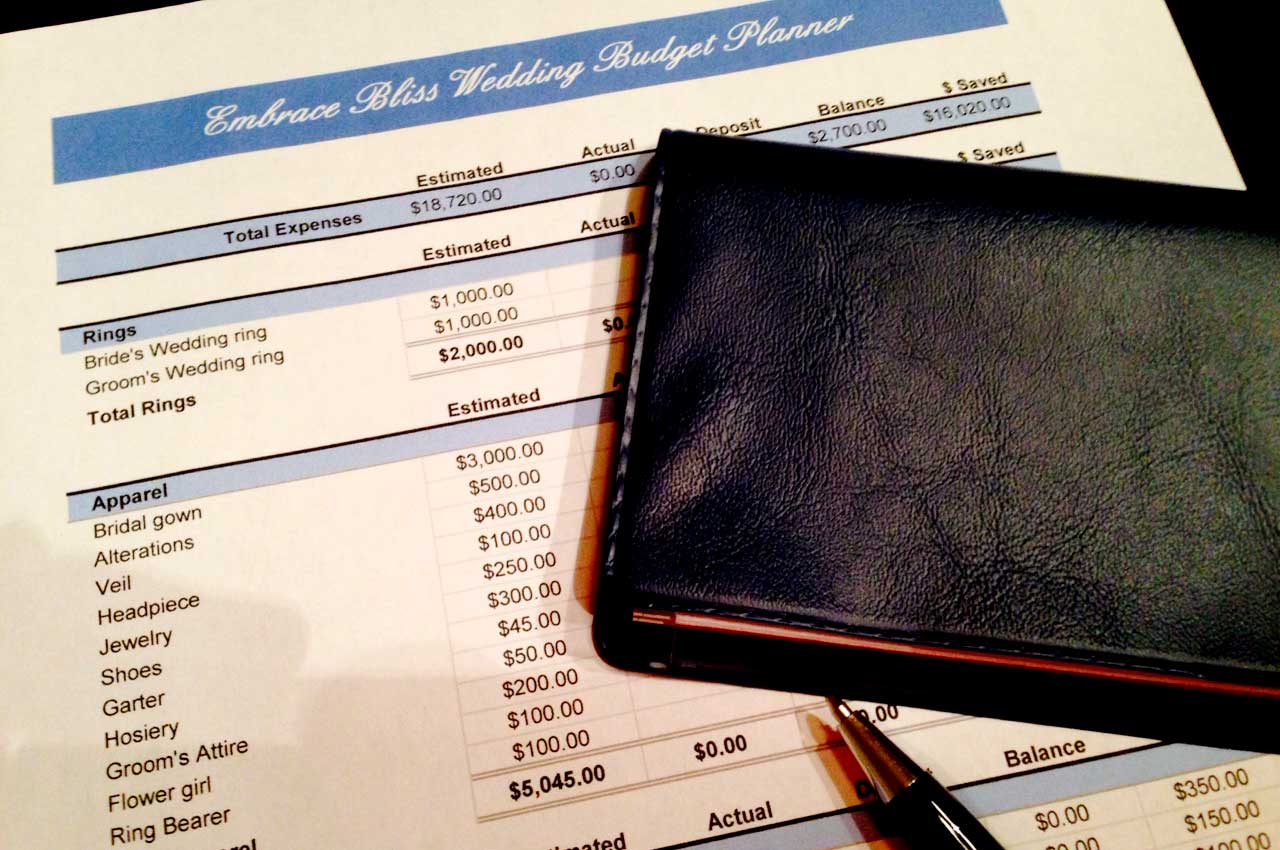
The wedding budget conversation is where a lot of couples first realize that planning a wedding is more complicated than they expected. Numbers that seemed reasonable on their own start adding up fast, priorities don’t always align between partners, and the gap between “dream wedding” and “actual budget” can feel discouraging.
It doesn’t have to be. A well-built wedding budget isn’t about spending less — it’s about spending intentionally, on the things that matter most to both of you.
Start With the Number You Can Actually Spend
Before you look at a single venue, dress, or catering menu, agree on a total budget you’re genuinely comfortable with. Not an aspirational number, not a “we’ll figure it out” number: a real one, accounting for any contributions from family and your own savings.
Everything else in the planning process flows from this number. Couples who skip this step and start falling in love with venues first almost always end up either overspending or deeply frustrated when their favorites are out of reach.
Rank Your Priorities Together Before You Start Spending
This is the step most couples underestimate, and it’s the one that prevents the most conflict. What matters most to the bride isn’t always what matters most to the groom, and that’s completely fine, as long as you surface it early.
Sit down together and rank your priorities. Photography, venue, food and drink, flowers, music, attire. Put them in order before you assign dollars to any of them. The categories at the top of your list get more budget. The ones at the bottom get less, or get cut if necessary.
Having this conversation once, clearly, saves a dozen harder conversations later.
How Wedding Budgets Are Typically Allocated
There’s no universal rule, but as a general starting point many couples use a rough breakdown like this:
- Venue and catering: 40–50% (often the biggest single line item, especially when combined)
- Photography and videography: 10–12%
- Music (DJ or band): 5–8%
- Florals and décor: 8–10%
- Attire (dress, alterations, accessories, groom): 8–10%
- Stationery, favors, and extras: 3–5%
- Wedding planner or coordinator: 5–8%
- Contingency buffer: 5–10%
That last line is the one couples most often skip and most often wish they hadn’t. Costs shift as RSVPs come in, vendors adjust for add-ons, and small surprises accumulate. Build the buffer in from the start.
Get Multiple Quotes and Negotiate Honestly
For every significant vendor category, get at least two or three quotes before committing. Pricing varies more than most couples expect, and simply having competitive context helps you negotiate.
Don’t be afraid to ask vendors what’s adjustable. Many packages include items you don’t want or need — flowers at the ceremony entrance, extra hours of coverage, elaborate favors that guests leave behind anyway. Ask what happens to the price when those come out. Most vendors would rather adjust than lose the booking.
Referrals and off-peak dates (Fridays, Sundays, winter months in many markets) can also move pricing meaningfully. Worth asking about both.
Know What You Can Cut and What You’ll Regret Cutting
Some budget reductions are easy decisions: elaborate table favors, extra floral arrangements in secondary spaces, premium upgrades that guests won’t notice. Cut these freely if you need to.
Others tend to generate regret: photography, catering quality, and venue comfort are the ones couples most commonly wish they’d invested more in. These are the things that affect how the day feels and what you have to show for it afterward.
When the budget feels tight, cut the periphery before the center.
A wedding budget built intentionally,with shared priorities, honest numbers, and a little room for the unexpected, makes the entire planning process calmer and more enjoyable. You spend the months ahead making choices you feel good about, not constantly second-guessing whether you can afford what you’ve already committed to.